The Origin
This project began with a simple observation: talented instructors existed everywhere, and curious adults wanted to learn, yet the two groups rarely connected effectively. Traditional evening classes felt rigid. Online courses lacked accountability. Private tutoring seemed expensive and intimidating.
What emerged was a middle path—structured enough to provide direction, flexible enough to accommodate real life, and social enough to maintain motivation when initial enthusiasm waned.
How It Functions
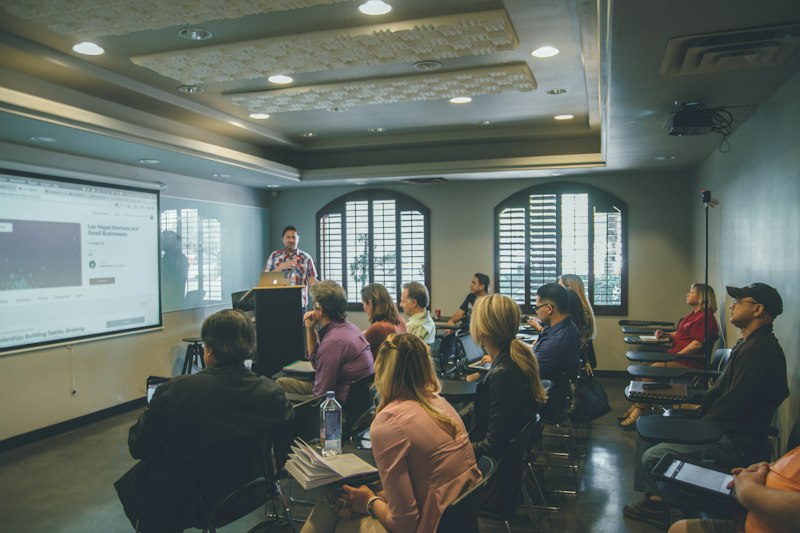
Each pathway runs in cohorts. You progress alongside others exploring the same skill, creating natural accountability without competitive pressure. Sessions balance instruction with practice, theory with application.
Instructors are practitioners, not just teachers. They've spent years developing their craft and understand both the technical fundamentals and the psychological barriers that stop beginners from continuing.
The Philosophy
We operate on the principle that adult learning succeeds when it respects existing commitments rather than demanding their sacrifice. You don't need to quit your job or abandon your family to develop a meaningful skill. You need intelligent sequencing and realistic expectations.
Progress looks different for each person. Some move quickly through technical material but struggle with creative application. Others find techniques challenging but develop unique artistic voices. Both paths are valid.
Realistic Timeframes
We don't promise mastery in thirty days. Skill development requires sustained engagement over months, not miracle shortcuts.
Incremental Progress
Small, consistent steps produce better outcomes than sporadic bursts of intense effort. We structure pathways accordingly.
Practical Application
Theory serves practice, not the other way around. You learn techniques in service of creating things you actually want to make.
Peer Learning
Watching others navigate the same challenges provides perspective that individual instruction cannot replicate.
What Makes This Different
Most hobby education falls into two categories: overly casual (no structure, inconsistent attendance) or unnecessarily formal (academic rigor applied to recreational pursuits). We've deliberately positioned between these extremes.
You receive clear curricula and milestone markers, but flexibility exists within that structure. Miss a session and catch up through recorded materials. Progress faster than your cohort and receive additional challenges. Need extra support on specific techniques and access one-on-one guidance.
Who Facilitates This
Our instructors maintain active practices in their respective fields. They exhibit in galleries, perform publicly, sell their crafts, or publish their writing. Teaching represents an extension of their professional work, not a fallback career.
This matters because learning from someone still navigating their craft's challenges feels fundamentally different from learning from someone reciting decade-old techniques. Current practitioners understand contemporary contexts.
The Underlying Belief
Most people possess more creative capacity than they express. Not because they lack talent, but because they lack permission—from themselves and from their circumstances—to explore that capacity fully.
Providing structure, community, and expert guidance creates conditions where that exploration becomes possible. Not guaranteed, but possible. That distinction matters.